These Common Tourist Mistakes in Europe Could Ruin Your Trip — and Some Might Even Get You Fined
All recommendations on World Wild Schooling are independently selected by our editors. We may earn an affiliate commission from purchases made through our links.
Europe is one of the world’s most fascinating and beautiful continents. Whether you want to spend your trip exploring historical landmarks, eating your way through food markets, relaxing on a beach, or hiking in national parks, there’s something for everyone.
However, to enjoy a stress-free and hassle-free trip, you must avoid common mistakes many tourists make. Europe is generally a safe and easy place to travel, but differing cultures and laws mean there are things we must avoid. To learn more, here are 12 things tourists should never do when visiting Europe. Heed these warnings to enjoy the best trip possible.
Swipe and Vote: See What Travelers Recommend
You’re in Europe, blending in like a local… or are you? What’s the most tourist thing you might accidentally do?
This is a swiper quiz, swipe right for yes, swipe left for no.
 © SVP Productions / Adobe Stock
 © Hungry_herbivore / Shutterstock
 © dennisvdwater / Adobe Stock
 © Vladimir Sazonov / Adobe Stock
 © JFL Photography / Adobe Stock
Results
 1
1
 2
2
 3
3
 4
4
 5
5
Don’t Wear Inappropriate Clothing in Sacred Sites

While you can usually wear whatever you like when visiting most European places, you should always dress appropriately when visiting sacred sites. Across Europe, you’ll find many historical and holy sites, especially in places like Italy, where countless churches and cathedrals exist.
It’s essential to wear appropriate clothing when visiting these places to respect local cultures and rules. Often, places of worship will have specific dress codes that require visitors to wear clothes that reach their knees. Some sacred sites will also ask visitors to cover their shoulders. You’ll likely be denied entry if you don’t follow these dress codes. European sites with a dress code include the Vatican Museums and La Sagrada Familia.
Read also: European Escape Travel Guide
Don’t Wear Beachwear in Public Places

Similarly, try to avoid wearing beachwear in public places. Europe might be famed for its beautiful beaches, luxury coastal resorts, and crystal-clear waters, but that doesn’t mean walking around in your bikini all day is acceptable. When not sunbathing on the sand, it’s essential to dress appropriately.
In most European countries, wearing swimsuits and bikinis anywhere other than the beach is often frowned upon, especially in shops, restaurants, and historical landmarks. It’s also worth noting that many businesses don’t appreciate tourists walking through their business with sandy feet. You’ll also often find that many bars, restaurants, and shops near beach areas have a dress code restricting wearing beach attire.
Read also: Fashion Capitals in Europe
Never Walk in Bicycle Lanes

Most European cities like Amsterdam, Stockholm, and Copenhagen take cycling seriously. As such, you’ll find that most streets in these cities have bicycle lanes that run alongside typical walking paths. You must avoid walking in these bicycle lanes if you want to steer clear, pardun the pun, of any accidents and angry locals.
For obvious reasons, walking in a bicycle lane is dangerous for both you and the cyclists. You could both get injured, which is a surefire way to kill the holiday mood. Luckily, avoiding bicycle lanes is super easy. Bicycle lanes and walking paths always feature road markings and signposts, so you can distinguish between the two.
Read also: Insta-Worthy Spots in Europe
Don’t Assume Everyone Speaks English

Although English is one of Europe’s most widely spoken languages, assuming everyone you meet can speak it would be a mistake. Even bilingual and trilingual Europeans won’t necessarily be able to speak English. With that in mind, learning some basic words or sentences in the local language could be a good idea.
Learning essential words and phrases isn’t only useful when asking for help, reading signposts, etc. It’s also an excellent way to respect local languages and cultures and engage with local people. The language you need to learn some basics of will depend on where you visit in Europe.
Read also: Tips for Budget Trip to Europe
Avoid Jaywalking

For those who don’t know, jaywalking is when you cross or walk in the street unlawfully or without consideration for oncoming traffic. In other words, when you cross the road somewhere you shouldn’t or before that little green man appears at a pedestrian crossing.
Jaywalking might not be considered a problem in your country, and it isn’t in some European countries, but you should avoid doing it just in case. In some places, for example, Germany, it’s a social rule not to cross at a pedestrian crossing before the light turns green. If you do, you could anger locals or, worse, face punishment in the form of a fine.
Read also: Must-Visit Cities in Europe
Never Assume Everywhere in Europe Is the Same

One of the biggest mistakes tourists can make when visiting Europe is assuming everywhere is the same. Europe is a vast continent with 50 countries, and every single one is different. What you experience in one place will be very different from the next regarding everything from climates and landscapes to attractions and cultures.
Therefore, it’s crucial you never put two places in the same bracket. For example, don’t rule out a trip to London in England because you’ve already been to Paris in France. Conversely, don’t miss out on the beaches in Sardinia because you’ve visited the Greek islands. Instead, individually research each place before deciding where to go.
Read also: Unique Places for Your European Bucket List
Save this
Don’t Just Visit the Most Famous Destinations

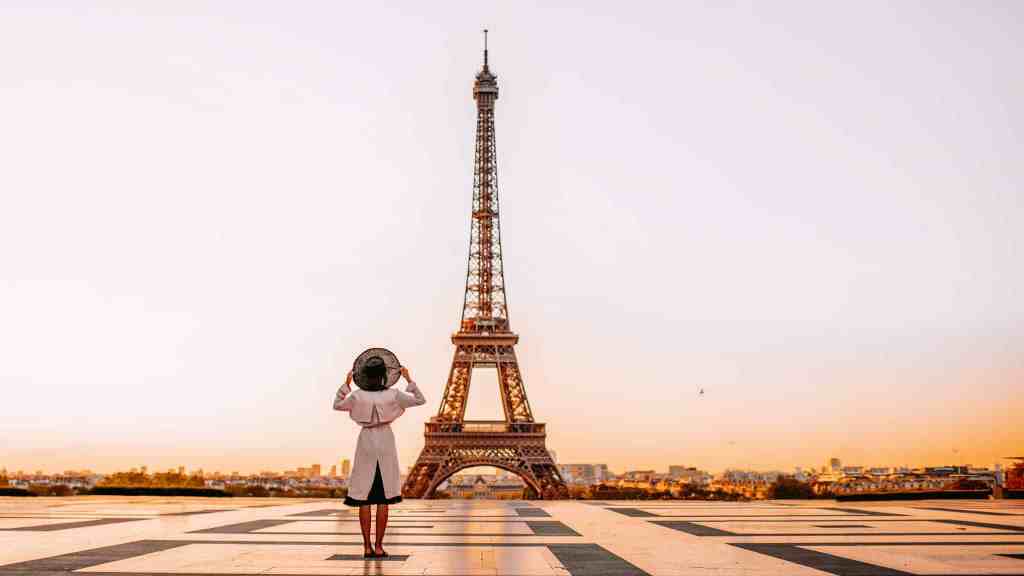
Sticking to a similar theme, don’t just be drawn in by the most famous destinations when planning a European trip. While we can understand how tempting the most iconic tourist attractions are, there’s so much more to see than the Eiffel Tower and the Colosseum. Admittedly, this will depend on how long you have in Europe, but try to visit off-the-beaten-path places, too.
For example, once you’ve visited Paris, why don’t you head to the south of France and enjoy charming seaside towns like Menton? Alternatively, visit lesser-traveled cities like Bath instead of London in the United Kingdom. You’ll find more authentic experiences and fewer crowds by visiting lesser-known tourist destinations.
Read also: Overrated Tourist Traps in Europe
Never Leave Litter on the Floor

European countries take their cleanliness seriously, so don’t disrespect your host nations by leaving your litter on the floor. This is likely common sense to you, but you’ll be surprised by the number of people who throw trash on the ground. Most European countries have efficient recycling and trash systems, so there’s no excuse for leaving trash on the street.
You’ll almost always be able to find a trash can to dispose of your trash. Even if you can’t find one, you should take your trash and get rid of it later. Not only does littering harm the environment, it also annoys local people who care about where they live.
Read also: Safest Cities in Europe
Don’t Wear Fake Designer Goods

While we all love a bargain occasionally, leaving your designer rip-offs at home is a good idea if you visit Europe. Although most European countries have markets where you’ll find knock-off goods, it’s generally frowned upon and even illegal to buy, sell, or possess fake goods in many countries.
In fact, according to the Independent, countries like France and Italy are stepping up in the battle against counterfeit goods. In France, a fine system is in place that can see people fined up to €300,000 ($321,000) for peddling fake goods. In Italy, tourists can be fined up to €11,830 ($12,650) if caught with phony designer items. That said, it’s best to leave your fake Rolex at home.
Read also: Overrated Tourist Traps To Avoid in Europe
Never Disrespect Historical Sites

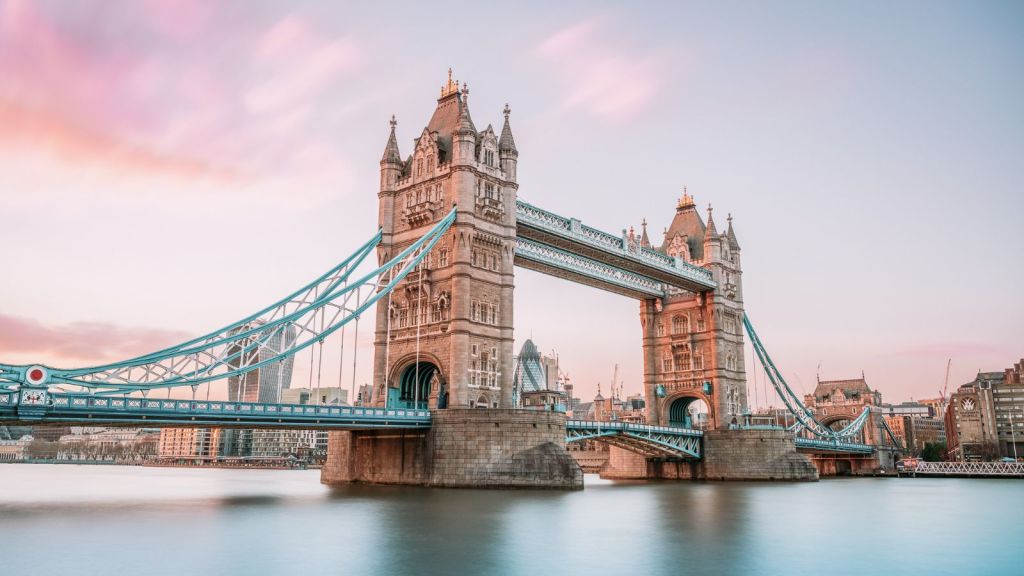
Europe is home to some of the world’s most fascinating historical landmarks, from the ancient Acropolis in Athens and the Colosseum in Rome to the Tower of London in London and the Brandenburg Gate in Berlin. However, if tourists are to continue enjoying Europe’s most famous historical sites, we have to treat them with more respect.
In recent years, many historical tourist attractions across Europe have been damaged, littered, and disrespected by tourists. People have been seen climbing on ancient monuments, jumping in historic fountains, carving their names into ancient landmarks, and more. Under no circumstances should you ever break the rules when visiting a historical site.
Read also: Iconic Landmarks in Europe
Don’t Avoid Trying Local Food
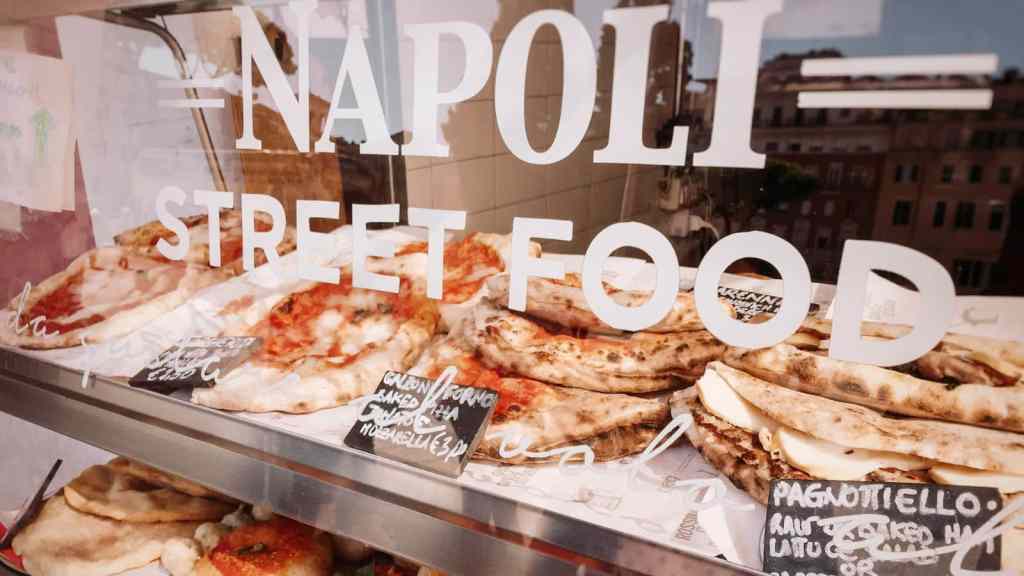
One of our favorite things about traveling through Europe is trying all the different cuisines. The possibilities are endless, from traditional pasta dishes in Italy and snails in France to funnel cakes in Hungary and roast dinners in the United Kingdom. Therefore, avoiding trying local dishes during your trip would be foolish.
Of course, eat the things you enjoy, too, but spare a few meals to try something local because you won’t regret it. It’s also important that you respect local cuisines. While some dishes might seem strange compared to what you eat at home, they might be a delicacy in the country you’re visiting.
Read also: European Cities for Food Lovers
Don’t Haggle Over Prices

Unlike some parts of the world, haggling isn’t common in most European countries. You’ll find that most shops, stores, cafes, restaurants, and so on have fixed prices. These fixed prices can’t be negotiated, so don’t try to haggle the price down. In fact, in some European countries, haggling is seen as disrespectful.
There are some instances where haggling is acceptable in most places. For example, haggling at open-air markets, car boots, and garage sales is generally accepted. However, you should still negotiate politely to avoid offending sellers. To avoid any arguments, only haggle when the price seems too high. If the deal seems fair, don’t negotiate too hard.
Read also: European Cities With Spectacular City Parks
Pin It Now, Read It Later