Here Are the Best Destinations To Travel in 2026 According to Lonely Planet
All recommendations on World Wild Schooling are independently selected by our editors. We may earn an affiliate commission from purchases made through our links.
Lonely Planet has unveiled its annual Best in Travel list for 2026, featuring 25 must-visit destinations handpicked by travel experts from around the globe. This year’s selections span six continents and showcase a mix of emerging hotspots, fresh takes on well-known locations, and under-the-radar gems that deserve attention. From dreamy New England summers to volcanic islands in the Indian Ocean, here’s your complete guide to where you should be traveling in 2026.
Maine, USA: Dreamy New England Summers

It’s hard to explain to a Mainer that their state is trendy. They’ll let out a sardonic laugh, roll their eyes, or both, an expression that has a salty kind of New Englandness to it. But this state, the first place in the continental USA to see the sunrise each morning, feels renewed in the past decade.
Seaside Portland, Maine’s largest city, has become the spot in New England to open a new restaurant, particularly for chefs who have big-city training and cred yet fear the price of entry in Boston or New York. The result is a James Beard award or nomination on every downtown corner. After wandering the cobblestone streets of the old center, belly full, you must move on. There is, after all, a lot to see here.
The coastal hikes take you past seaside towns teetering on stilts and emerald islands offshore, including those in Maine’s crown jewel, Acadia National Park. The islands are what people come for, plus the lighthouses that continue to blink along the coast. But head inland too. Whether you’re at Mt Katahdin at sunrise or relaxing in a sun chair on a nameless pond as a loon sings its loopy serenade, these places are as precious in Maine as any coastal spot.
Among the most serene routes are the carriage roads at Acadia National Park, which see less foot traffic than other parts. For the ultimate seaside stroll, head to Marginal Way, which winds along the shore in Ogunquit.
Peru: Inca History and Epic Meals

Peru is racing toward the future while carving out space to honor its illustrious past. For visitors, it’s never been easier to get around, thanks to infrastructure developments including new airports in Lima and Huaraz, plus a soon-to-open airport near Cusco, the one-time capital of the Inca empire.
Machu Picchu recently implemented three new circuits with 10 tourist routes in an effort to combat overtourism. Increasingly, visitors are hiking to lesser-visited ruins like Choquequirao or along the stone-paved Qhapaq Ñan Andean Road System, which once linked Cusco with the vast Inca empire.
Meanwhile, Peruvian gastronomy has been on the cusp of global dominance for years, with Lima fast becoming one of the world’s great food capitals. Momentum continues on the tide of emerging local trends, including Japanese-Peruvian Nikkei cuisine, with star dishes like tiradito, sashimi draped over colorful sauces. Completely different in style are the spicy creole foods from Peru’s second-largest city, Arequipa, which has grown in popularity since it became a UNESCO City of Gastronomy in 2019.
Jaffna, Sri Lanka: Culture, Cuisine and Island Adventures

Family-run homestays like the Malabar Home Stay have been reviving Jaffna as a cultural travel destination since the civil war ended in 2009. To understand Jaffna’s nuanced history, visit the restored Jaffna Public Library, which was set on fire during the war, the pentagonal-shaped Jaffna Fort originally built by the Portuguese in 1619, and the two bunkers turned into museums at the luxury Fox Jaffna resort.
An hour-long ferry from Jaffna is tiny Delft. With a shallow reef, coral-fenced houses and homestays like the Delft Village Stay, the sleepy island is ideal to slowly cycle around between home-cooked meals.
Traveling to Jaffna is easy by cycle, tuk tuk, bus or ferry, while trains and buses connect the city with Colombo and direct flights operate from Chennai. Above all, hospitality runs deep here, where warm smiles, cups of frothy tea and crab curry feasts are aplenty.
Take the ferry to Nainativu, which holds two temples: the Hindu Naga Pooshani Amman Kovil and the Buddhist Nagadeepa Temple. According to legend, Buddha arrived here during his second visit to Sri Lanka.
Finland: Finding Happiness in Wild Places

Pick up a map of Finland and it’s a bewildering mass of forests and lakes. With its Baltic breezes and easygoing air, Helsinki is an enticing springboard, with upbeat food, art and design scenes. Don’t miss Suomenlinna, a UNESCO World Heritage fort, and Tuomiokirkko, a neoclassical cathedral. Explore further and you’ll love the laid-back beat in towns like island-skipping, castle-topped Turku, cultured lakeside Tampere, and riverside Oulu.
But these are just the prelude for Finland’s truly great outdoors. Whether paddling through Finnish Lakeland in the golden light of a midsummer evening, feeling the heartbeat of Sámi reindeer-herding culture in Inari or embracing the bitter cold of Lapland on a dogsled ride as the northern lights come out to play, you’ll realize that Finnish happiness is tuning into nature, in touch with your inner child.
Embrace Sámi culture in Lapland. Head to Inari or, further north still, Utsjoki, for reindeer-driven sleigh rides and joik, rhythmic poems, sung around a flickering campfire in a simple lavvu tent. Go for the whole Arctic experience with husky mushing, snowshoeing and ice fishing, then hole up in a log cabin, igloo or aurora-gazing dome.
Cádiz, Spain: Carnaval, Fine Food and Flamenco

Cádiz’s Carnaval is Spain’s biggest annual party, bringing extravagantly costumed revelers to its streets for 10 days of parades, fireworks, singing and dancing in February or March, to the accompaniment of more than 300 local murgas, or bands. Pack a costume and book accommodations months in advance.
While you’re in nearby El Puerto de Santa María, catch ferries across the bay to enjoy choice tipples at sherry wineries. Alternatively, sip sherries straight from the barrel at Cádiz’s Taberna La Manzanilla. The dining scene ranges from old-school tapas bars clustered around Barrio de la Viña to fusion restaurants around Plaza Candelaria and Plaza de la Catedral.
Cádiz’s other big draw is its millennia-long history as a port city. Vestiges of ancient civilizations include the Teatro Romano and the atmospherically lit remains of Phoenician and Roman streets at Yacimento Arqueológico Gadir. Unusually for a port, Cádiz boasts a string of gorgeous white sand beaches.
Watch a flamenco performance with local aficionados at the cavernous Peña Flamenca La Perla. If the dancers leave you spellbound by their footwork, express your appreciation by shouting “Viva la máquina escribir!” or “Long live the typewriter!” The compliment harkens back to when audiences thought the noise made by dancers’ rapid footwork resembled the clack of a typewriter.
Botswana: Raw and Real Wildlife Experiences

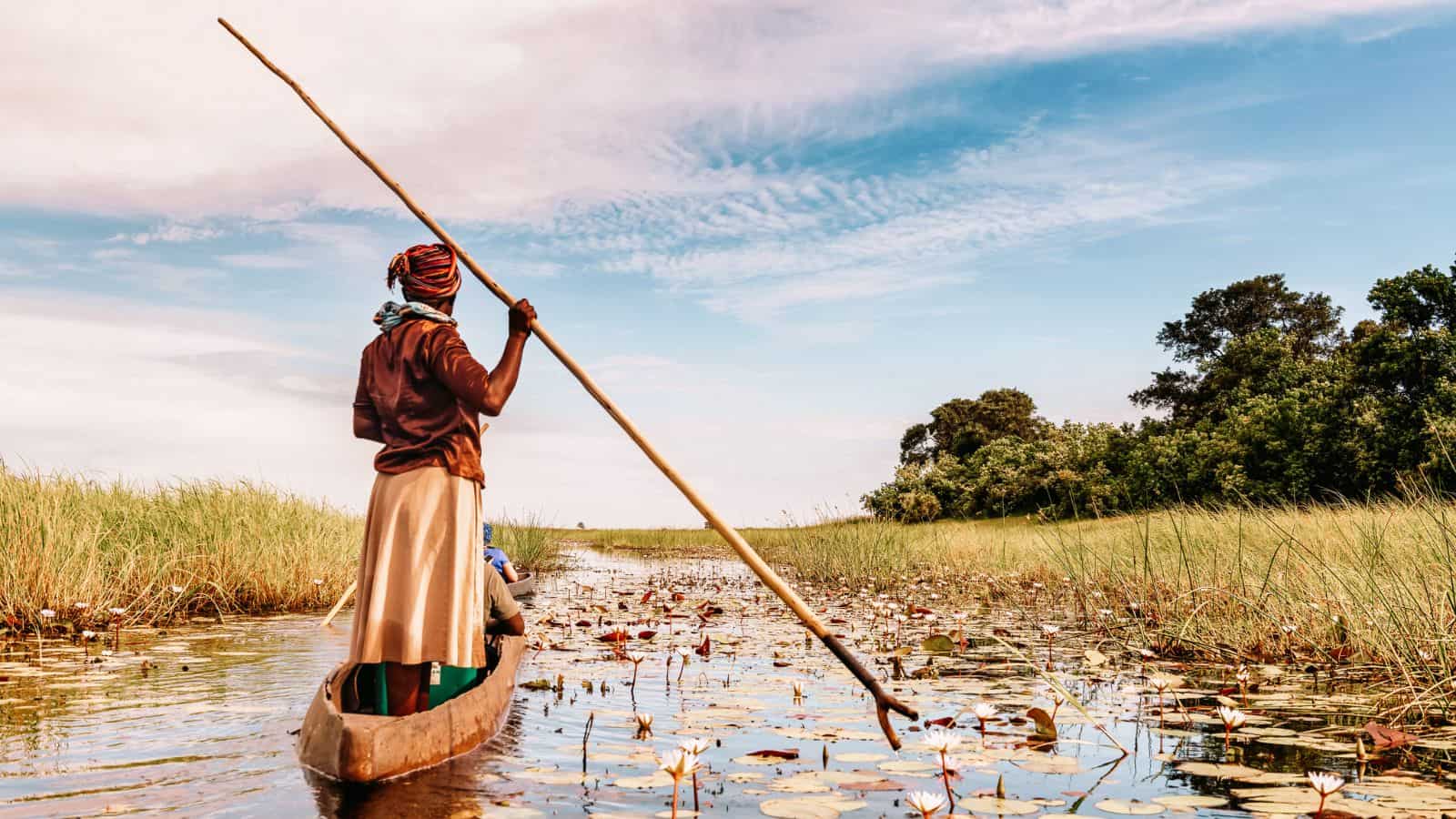
Of all safari destinations, perhaps no country is as deserving of its accolades as Botswana. With landscapes spanning from delta to desert and a lack of light pollution so every star blazes in the dark sky, Botswana has earned its place alongside Tanzania and South Africa.
Warm and welcoming, the people of Botswana are proud of their country’s natural beauty and abundance of wildlife. The craftsmanship of Botswana’s artisans becomes apparent in woven baskets, both functional and stylish, displayed at &Beyond and Wilderness DumaTau camps.
The country’s low-impact, high-value tourism ethos is reflected in limits on the number of guests, beds and vehicles allowed in private concession areas. Safari travelers are treated to herds of elephants, coalitions of majestic male lions and prides of lionesses and cubs with nary another person in sight.
Game drives become addictive and cultivate patience. Traveling with a legacy outfitter that knows the area and its wildlife patterns nearly guarantees you’ll spot a predatory kill, a lioness catching a waterbuck or a wild dog snatching a baby buffalo, in the rawest display of the circle of life.
Tipperary, Ireland: Hiking, History and Food

Nature is on an epic scale in Tipperary, nowhere more so than the Glen of Aherlow, a ridiculously scenic valley flanked by the Galtee Mountains and Slievenamuck. It’s perfect for hiking rugged trails, fishing, swimming and even horseback riding. The light casts the open valley in striking tones that shift throughout the day.
The food is just as impressive. Tipperary apples are legendary, used in everything from tarts to world-famous ciders like Bulmers, known as Magners internationally. Cashel Blue cheese is worth traveling for: creamy, tangy and perfect with almost everything, especially locally produced crisps like hand-cooked O’Donnells or Blanco Niño. Restaurants like Mikey Ryan’s in Cashel serve locally reared lamb and beef, while the nearby Bishop’s Buttery uses local produce in French-inspired dishes.
Tipperary’s history is everywhere. The 12th-century Rock of Cashel and Cahir Castle are cinematic standouts, while you can explore 3km of historic passages in Mitchelstown Cave. More walking trails through woodlands, river valleys and ancient boglands are well developed and gloriously uncrowded.
The Vee, a v-shaped stretch of road in the Knockmealdown Mountains, is considered one of Ireland’s most scenic routes. It’s beautiful at any time but especially early summer, when the landscape is a riot of rhododendron, blanket heather and rocky headlands.
Cartagena, Colombia: Vibrant Nightlife and History

Enclosed by a fortified stone wall that once kept foes at bay, Cartagena de Indias’ historic center overflows with charm. Once the homes of Spanish sea merchants and military officers, the city’s grand mansions now house chic boutique hotels, stylish shops and candlelit rooftop restaurants like Mar y Zielo, where Colombia’s rich gastronomic diversity shines.
Beyond its beauty, Cartagena tells a story of resilience. Visit the Museo de Oro Zenú to see exquisite gold artifacts crafted by the Zenú, an Indigenous group that thrived before the Spanish conquest. Across Plaza de Bolívar, the Museo Histórico de Cartagena reveals the city’s darker past in exhibits on the Spanish Inquisition and the transatlantic slave trade.
Venture into Getsemaní, a once overlooked neighborhood now bursting with colorful street art. Wander down the flag-strewn Calle de la Sierpe, lined with murals that have turned crumbling walls into living canvases. Streets converge at the Plaza de la Trinidad, which bustles after dark with street food, music and impromptu dance performances.
Real Experience Cartagena offers rooftop lessons in salsa, bachata and Afro-Colombian champeta, so you’ll be ready to hit the dance floor at Club de los Carpinteros, where locals and travelers move to Cartagena’s unstoppable beat.
Quetzaltenango (Xela), Guatemala: Culture Without the Crowds

Quetzaltenango, or Xela, is a city with beautiful architecture, fascinating festivals, great food and few crowds. Its grand squares sport stunning buildings and its narrow alleys have wonderful bars and cafes. You might find yourself enjoying dinner in a quiet cafe while a grand festival marches by.
The city has two names: Quetzaltenango, given by the Spanish, and Xela, a Maya name. The latter is increasingly preferred as Maya pride and indigenous rights grow. This duality is part of Xela’s charm, seen in the blend of Spanish cathedrals and Maya monuments, ancient and modern architecture side by side. Food lovers will find everything from avocado toast and lattes at Baviera Café to Italian-Guatemalan fusion at Restaurante Tertulianos.
Xela is great for day trips to quirky sites like the curious canary-yellow church in San Andrés Xecul or the wild pilgrimage site of Volcán de Cerro Quemado. The Festival de Venado, held around Christmas, showcases a mix of native culture and Catholicism, with masked dancers and fireworks.
Stop for people watching at the Parque Centro America, with its columned rotunda dedicated to composer Rafael Álvarez Ovalle. Women in traje, traditional Maya dress, wait to braid customers’ hair, while children play with balloons from street vendors.
Liberdade, São Paulo, Brazil: A Crossroads of Culture and Cuisine
Red lanterns let you know you’ve arrived in São Paulo’s Little Japan, one of the most popular neighborhoods in the city for shopping and snacking on Asian cuisine. Discover the history at the Museu Histórico da Imigração Japonesa, and don’t neglect to uncover Afro-Brazilian origins and a memorial to a difficult past at the Chapel of the Afflicted.
Start your gastronomic journey at the weekends-only Feira da Liberdade, a street food fair with Japanese and Brazilian favorites, and save room for delicious ramen at Lamen Kazu or Malaysian food at Laomazi. The red lamp posts will lead you through the neighborhood as you explore built-in spaces for tranquility like the Oriental Garden or the private collection of Lohan Temple, a martial arts and religious center.
Let your nerd flag fly and join the crowds posing in front of anime-inspired street art and perusing shopping malls for memorabilia from every corner of pop culture and anime fandom imaginable. For fans of grocery store stops when traveling, Liberdade has some of the best grocery stores in São Paulo, with aisles full of imported snacks and rare combos of classic Brazilian ingredients and Japanese sweets.
Mexico City: A Tapestry of Creative Energy

Mexico City is the city of Frida Kahlo and Diego Rivera, a place where art, history, and modern creativity collide in spectacular fashion. The capital pulses with energy, from its world-class museums to its vibrant street food scene and colorful neighborhoods.
With cuisine inspired by centuries of tradition yet constantly evolving, Mexico City has become a destination for food lovers worldwide. The city’s dining scene ranges from street tacos that cost mere pesos to fine dining establishments that rank among the world’s best.
Beyond food, the city offers endless cultural experiences. Explore the ancient ruins of Teotihuacan just outside the city, wander through the floating gardens of Xochimilco, or lose yourself in the murals that adorn buildings throughout the historic center. Mexico City rewards those who take time to explore its many layers.
British Columbia, Canada: Natural Elements Embraced

British Columbia is the kind of place that makes you want to dash out of your hotel room and energetically embrace the natural elements. From the rugged coastline to the towering mountains, this Canadian province offers outdoor adventures at every turn.
Whether you’re whale watching off Vancouver Island, skiing in Whistler, exploring the rainforests of the Great Bear, or kayaking through pristine waters, British Columbia delivers nature on a grand scale. The province also boasts vibrant cities like Vancouver and Victoria, where you can enjoy world-class dining and cultural experiences between outdoor adventures.
Indigenous culture is woven throughout British Columbia, from totem poles standing tall in ancient villages to modern Indigenous-led tourism experiences that share stories, traditions, and connection to the land.
Utrecht, Netherlands: Charming Canals and Culture

Utrecht flies under the radar compared to Amsterdam, but this charming Dutch city offers canals, cycling culture, and centuries of history without the overwhelming crowds. The city’s unique wharf cellars along the canals have been transformed into cafes, restaurants, and shops, creating a vibrant waterfront scene.
Climb the Dom Tower for panoramic views, explore the medieval city center, or simply enjoy the laid-back atmosphere while sipping coffee along the canal. Utrecht’s compact size makes it perfect for exploring by bike, the Dutch way.
The city also boasts excellent museums, including the Centraal Museum with works by local artists, and a thriving music scene. Utrecht proves that sometimes the best European experiences are found in cities that don’t make every tourist’s list.
Barbados: Beyond the Beaches

Save this
With new direct flight routes from Atlanta via Delta and Amsterdam via KLM, the Caribbean’s easternmost island is becoming more accessible than ever. While Barbados’s most popular luxury resorts lie along the tranquil western shores, adventure-minded travelers can drive northeast to reach the island’s more rugged Atlantic coastline.
Start in Bathsheba, where powerful waves have long drawn surfers to the Soup Bowl, a reef break revered by international pros. There’s plenty for nonsurfers too, with a national park and wildlife reserve protecting the majority of the east coast. Hike from Bath Beach to Bathsheba on a scenic six-mile path following the former route of the island’s coastal railway.
Round out the day in nearby Martin’s Bay on Thursdays, when the Bay Tavern Fish Fry brings together neighbors and visitors for fresh-off-the-boat red snapper, baked mac and cheese, and rum-fueled karaoke sessions. The recently opened East Resort brings upscale yet intimate lodging to what locals call Barbados’s best-kept secret.
Theodore Roosevelt National Park, North Dakota: Badlands Beauty

Theodore Roosevelt National Park showcases the dramatic badlands that so inspired the 26th president of the United States. The park’s colorful rock formations, winding rivers, and abundant wildlife including bison, wild horses, and prairie dogs create a landscape unlike anywhere else in North America.
The park offers excellent hiking, scenic drives, and opportunities to experience the rugged beauty that shaped Roosevelt’s conservation philosophy. Visit during spring or fall to avoid summer heat and catch the prairie in bloom or dressed in autumn colors.
This is one of America’s least crowded national parks, offering solitude and spectacular vistas for those willing to venture to North Dakota’s western reaches.
Sardinia, Italy: Mediterranean Magic

Sardinia offers a different side of Italy, with pristine beaches, rugged mountains, and a distinct culture shaped by centuries of relative isolation. The island’s coastline features some of the Mediterranean’s most beautiful beaches, from the white sands of the Costa Smeralda to hidden coves accessible only by boat.
Beyond the beaches, Sardinia’s interior reveals ancient nuraghe ruins, traditional villages where old customs persist, and hiking trails through wild landscapes. The island’s cuisine stands apart from mainland Italian food, featuring dishes like porceddu, roasted suckling pig, and seadas, honey-drizzled pastries.
Sardinia rewards slow travel. Spend time in small towns, seek out family-run agriturismos, and discover why this island has one of the world’s highest concentrations of centenarians.
Jeju-do, South Korea: Island Paradise

Jeju-do, South Korea’s largest island, has long been a domestic tourism favorite and is increasingly attracting international visitors. The volcanic island offers dramatic landscapes, from the UNESCO-listed lava tubes to Hallasan, South Korea’s highest mountain.
Jeju’s unique culture, including the matriarchal haenyeo sea women who free-dive for seafood, sets it apart from mainland Korea. The island also boasts beautiful beaches, scenic coastal roads perfect for driving, and a thriving food scene showcasing fresh seafood and local specialties like black pork.
With direct flights from major Asian cities, Jeju-do makes an ideal addition to a South Korea itinerary or a destination in its own right.
Quy Nhon, Vietnam: Coastal Charm

Quy Nhon offers a more relaxed alternative to Vietnam’s busier beach destinations. This coastal city boasts beautiful beaches, fresh seafood, and a laid-back atmosphere that harks back to what Vietnam’s coast was like before mass tourism.
The surrounding area features the impressive Cham ruins at Thap Doi, scenic countryside perfect for motorbike rides, and fishing villages where life continues much as it has for generations. Quy Nhon’s location makes it an ideal stop between Hoi An and Nha Trang.
With new resorts opening alongside family-run guesthouses, Quy Nhon offers options for every budget while maintaining its authentic Vietnamese character.
North Island, New Zealand/Aotearoa: Geothermal Wonders

New Zealand’s North Island combines Māori culture, geothermal activity, and diverse landscapes from beaches to mountains. Rotorua’s bubbling mud pools and geysers offer unique experiences, while the glowworm caves of Waitomo create magical underground encounters.
Auckland provides urban sophistication, the Coromandel Peninsula offers beautiful beaches, and the Bay of Islands showcases New Zealand’s maritime heritage. Throughout the North Island, opportunities to engage with Māori culture, from traditional hangi feasts to cultural performances, add depth to any visit.
The Dark Sky movement is gaining traction in New Zealand, making it an excellent place to gaze at the galaxy in areas with minimal light pollution.
Siem Reap, Cambodia: Beyond the Temples

While Angkor Wat remains the main draw, Siem Reap has evolved into a destination worth visiting for more than just temple tours. The city’s dining scene has exploded, with everything from street food markets to fine dining restaurants showcasing Khmer cuisine.
Explore the floating villages on Tonle Sap Lake, visit craft workshops supporting local artisans, or learn about Cambodia’s tragic history at museums and memorials. Siem Reap’s growth as a destination has brought improved infrastructure while maintaining much of its charm.
Plan temple visits for early morning or late afternoon to avoid crowds and heat, and spend midday exploring the city’s markets, cafes, and cultural attractions.
Phuket, Thailand: Work and Play Paradise

Phuket is best known for its tropical beaches and romantic vibe, but more people are discovering it as a work-and-travel spot for digital nomads. The island’s beaches, jungles and breezy coastal lifestyle create an ideal environment for those reimagining how their days, weeks and months look relative to their work.
Beyond work-life balance, Phuket offers incredible diving and snorkeling, Thai cooking classes, and vibrant nightlife. The island serves as a gateway to smaller, quieter islands in the Andaman Sea, perfect for day trips or overnight escapes.
With excellent infrastructure, international cuisine alongside authentic Thai food, and year-round warm weather, Phuket continues to evolve while maintaining its tropical paradise appeal.
Ikara-Flinders Ranges National Park, South Australia: Outback Adventure

The Flinders Ranges offer some of Australia’s most dramatic outback scenery, with ancient mountains, deep gorges, and abundant wildlife. The park’s Indigenous heritage runs deep, with significant sites and rock art telling stories thousands of years old.
Hike to elevated viewpoints for sweeping vistas, spot kangaroos and emus in their natural habitat, or camp under star-filled skies. The nearby town of Wilpena Pound provides a base for exploring the ranges, with accommodations ranging from campgrounds to eco-lodges.
Visit during autumn or spring for comfortable temperatures and wildflowers carpeting the landscape in vibrant colors.
Tunisia: North African Diversity

Tunisia packs incredible diversity into a relatively small area. From Mediterranean beaches to Saharan sand dunes, from Roman ruins to Islamic architecture, the country offers experiences that would require visiting multiple North African nations elsewhere.
Explore the ancient city of Carthage, wander through the blue-and-white streets of Sidi Bou Said, or venture south to the desert landscapes around Tozeur and Douz. Tunisia’s medinas, particularly in Tunis and Kairouan, showcase centuries of Islamic art and architecture.
Tunisia’s cuisine blends Mediterranean, Middle Eastern, and North African influences, creating dishes found nowhere else. The country’s stability and improving tourism infrastructure make it an increasingly attractive North African destination.
Solomon Islands: Untouched Paradise
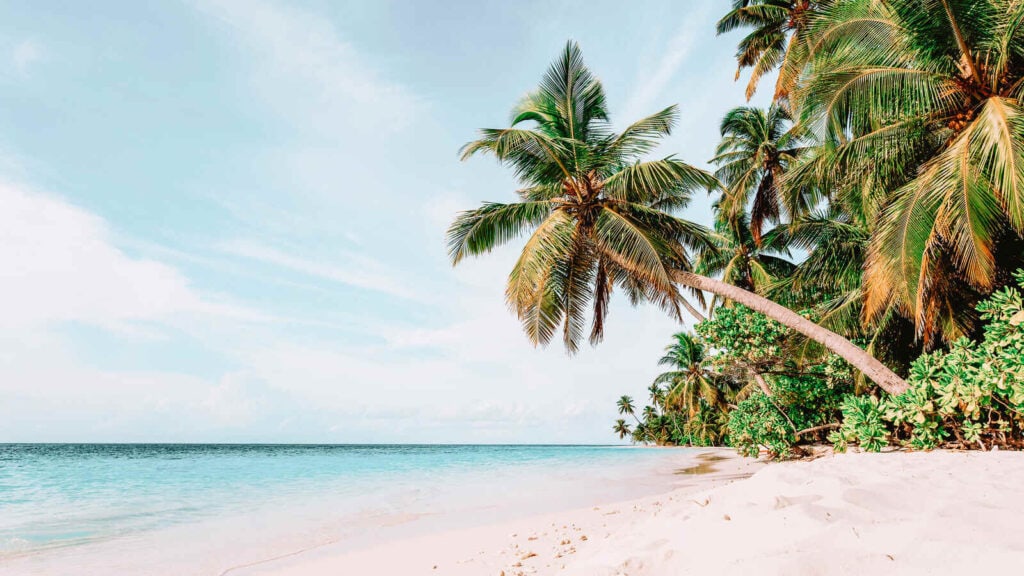
The Solomon Islands remain one of the Pacific’s least visited destinations, offering pristine diving, WWII history, and traditional Melanesian culture largely untouched by mass tourism. The islands’ coral reefs rank among the world’s best, with incredible biodiversity and wreck diving opportunities.
Beyond diving, the Solomon Islands offer jungle trekking, traditional village visits, and the chance to experience a way of life that has changed little over generations. Getting here requires effort, but that’s precisely what keeps it special.
With basic infrastructure and limited tourist facilities, the Solomon Islands appeal to adventurous travelers seeking authentic experiences far from beaten paths.
Réunion: Unique Natural and Multicultural Heritage

Réunion, a French Department in the Indian Ocean, is described by Lonely Planet as the best place for delving into unique natural and multicultural heritage. Generations of immigration have shaped a wonderfully diverse population, and that variety is mirrored in its natural landscape.
Packed into 2,500 square kilometers are 400 microclimates, endemic species, and mountains, ridges and valleys listed as a UNESCO World Heritage site. Then there’s Piton de La Fournaise, one of the world’s most active volcanoes.
The cirque of Mafate stands out in travelers’ tales. This deep amphitheater-like valley is home to Creole villages lost between tree-fern-covered mountains and winding trails. Mafate is accessible only by foot or helicopter, making it one of the world’s best-kept secrets.
Be sure to see all three cirques: Mafate, Salazie and Cilaos. While hikers may prefer Mafate for untouched wilderness, Salazie offers glimpses into history with the well-preserved Creole village of Hell-Bourg. Cilaos, reached via an extremely winding road, boasts some of the island’s most breathtaking ridges and waterfalls.
The Big Picture
Lonely Planet’s Best in Travel 2026 reflects how travelers encounter the world today, featuring emerging hotspots, fresh takes on well-known locations, and unforgettable experiences. Whether you’re seeking natural wonders, cultural immersion, culinary adventures, or simply places that feel undiscovered, this year’s list offers something for every type of traveler.
The destinations span from the familiar, like Mexico City and Sardinia, to the unexpected, like Quy Nhon and the Solomon Islands. What they share is the promise of meaningful travel experiences, whether that’s tracking elephants in Botswana, learning flamenco in Cádiz, or simply enjoying a quiet moment watching the sunrise in Maine.
As you plan your 2026 travels, consider venturing beyond the usual suspects. These 25 destinations represent not just places to visit, but opportunities to connect with local cultures, support sustainable tourism, and create memories that will last a lifetime. The world is waiting, and 2026 promises to be an extraordinary year for exploration.